

Synthetic Ballistic Gel
Transparent, reusable and temperature-resilient soft-tissue simulation media for controlled forensic, research, training and product-evaluation projects.
What is Synthetic Ballistic Gel?
Synthetic ballistic gel is a transparent, polymer-based soft-tissue simulant developed for controlled ballistic testing, forensic analysis, product evaluation, research and education. Its consistent density and resistance allow users to observe penetration, projectile behaviour, wound paths and energy transfer in a repeatable test medium.
Unlike natural ballistic gel, synthetic gel is supplied ready to use as a finished block or as re-meltable chips. It does not require mixing with water, blooming or refrigeration, making it particularly useful where rapid preparation, clear visual inspection and repeated testing are important.
Defensible Ballistics synthetic gel is available in 10% Forensic/FBI-style and 20% NATO-style densities. The transparent formulation makes internal test effects easier to inspect, photograph and demonstrate, while the material can be cut, re-melted and cast again after contaminated or damaged sections have been removed.
Because the material is water-insoluble and remains stable across normal working temperatures, it is suited to laboratory, classroom and controlled outdoor applications. Correct handling, casting and calibration remain important for obtaining comparable results between tests.
From Gel Chips to Finished Test Blocks
Choose ready-to-use blocks for immediate testing or synthetic gel chips for casting into your own moulds and specialist shapes.
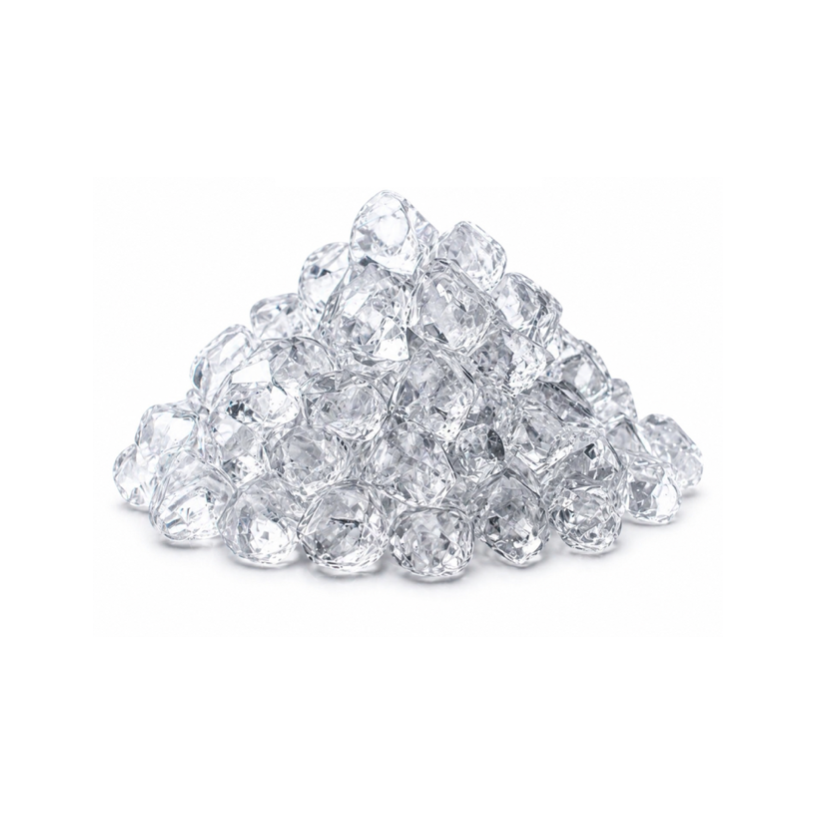
Synthetic Ballistic Gel Chips
Re-meltable gel pieces supplied for casting custom blocks, shapes and specialist test articles.
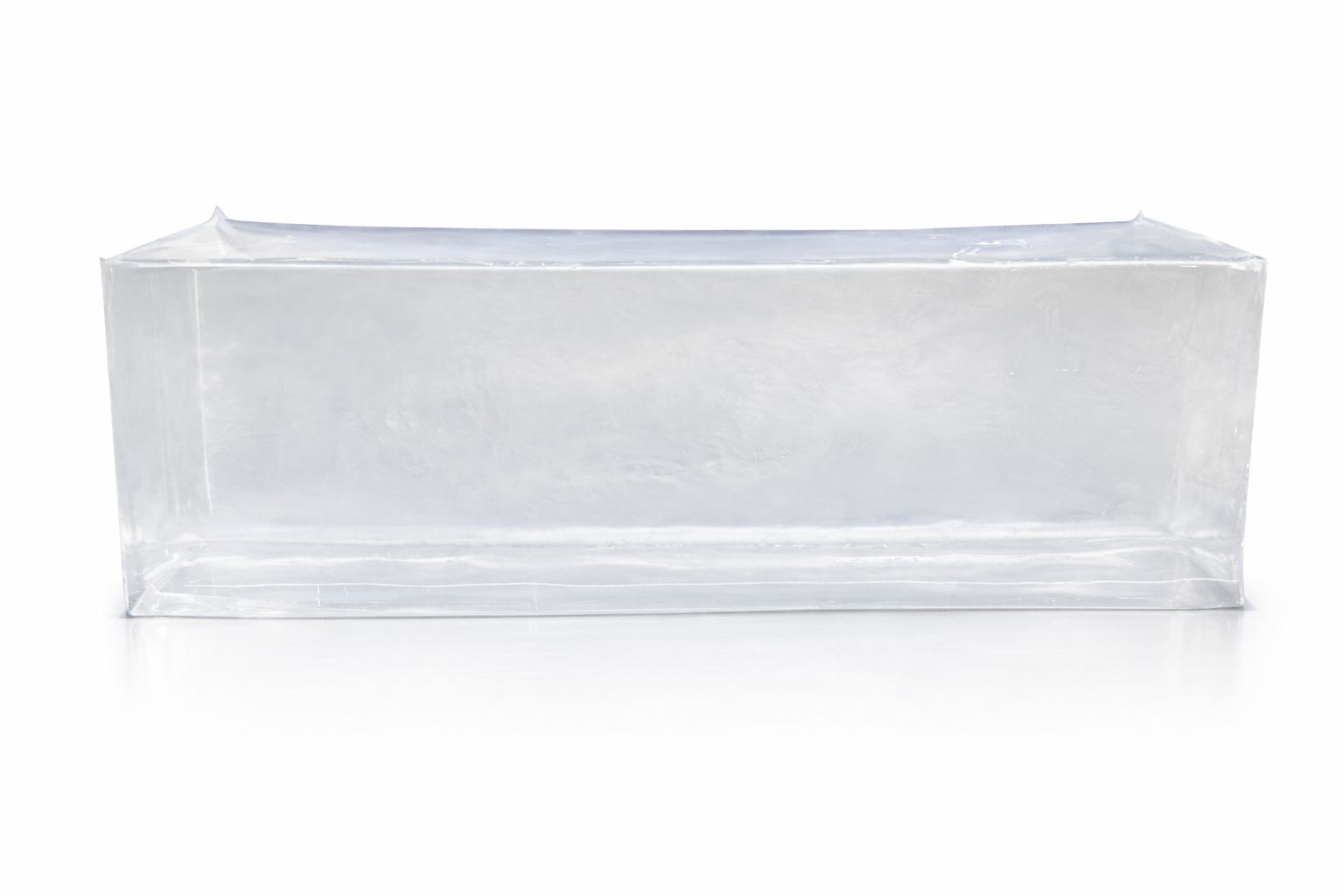
Finished Synthetic Gel Block
Transparent, calibrated and ready-to-use blocks for controlled testing and visual analysis.
Clear Internal Visibility
Transparent material allows penetration paths, deformation and internal effects to be observed and recorded.
Reusable and Recastable
Clean material can be cut into chips, re-melted and cast again to reduce waste and long-term test costs.
Temperature Resilient
Maintains its form under normal working conditions without the refrigeration required by natural gelatine.
Water Insoluble
The formulation does not dissolve in water, supporting controlled use in a wider range of environments.
Two Calibrated Densities
Available in 10% Forensic/FBI-style and 20% NATO-style grades for different simulation requirements.
Research and Demonstration
Suitable for forensic work, technical education, research, training and comparative product evaluation.
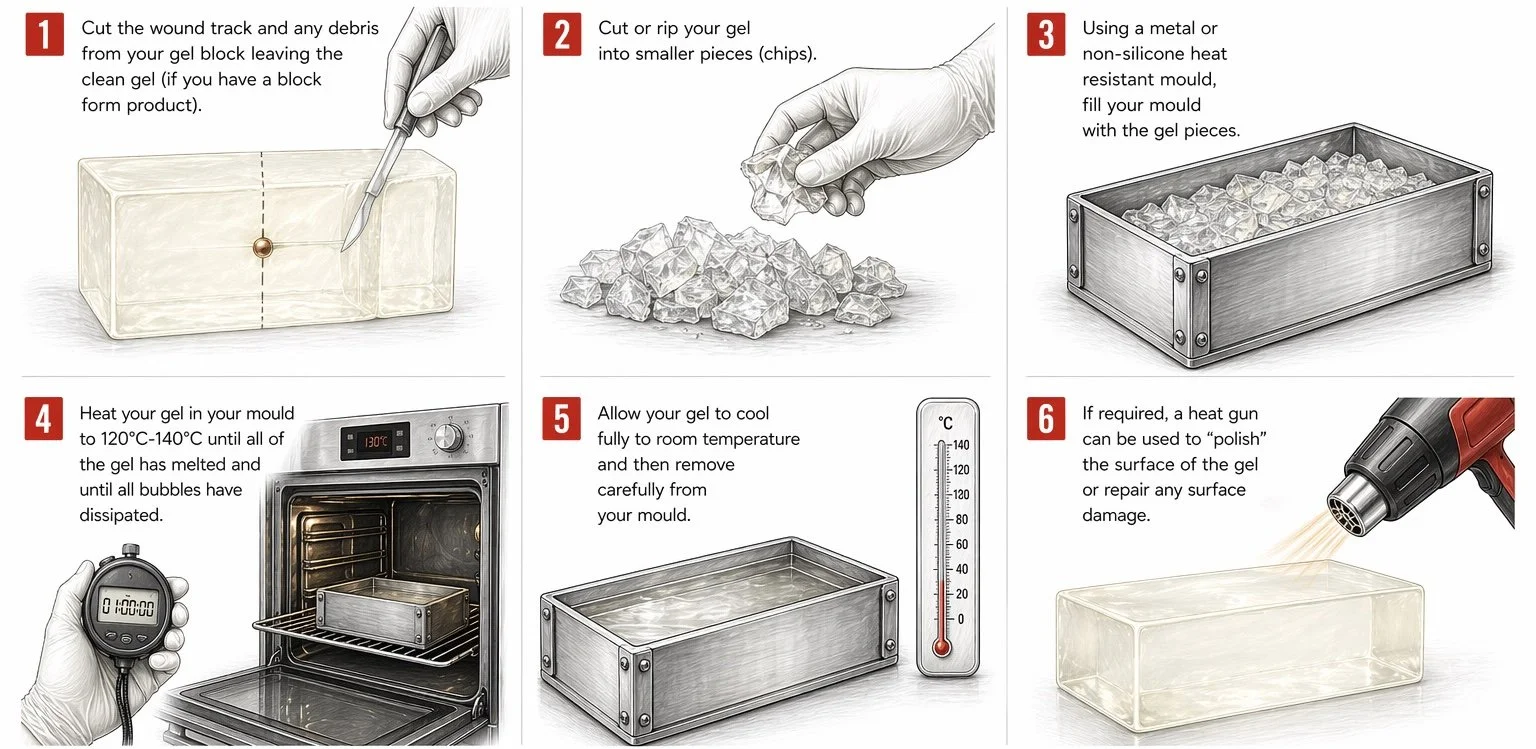
Melting and recasting synthetic gel
Remove contaminated material before heating and use a metal or non-silicone heat-resistant mould.
Remove the wound track
Cut away the wound path, fragments and any contaminated sections, leaving only clean reusable gel.
Cut into chips
Cut or tear the clean gel into smaller pieces so that it melts evenly and can be packed into the mould.
Fill the mould
Place the gel chips into a metal or other suitable non-silicone heat-resistant mould.
Heat to 120–140°C
Heat until the gel has completely melted and trapped bubbles have dissipated.
Cool fully
Allow the gel to return completely to room temperature before carefully removing it from the mould.
Polish if required
Use a heat gun carefully to smooth the surface or repair minor surface damage.
Density and calibration
Synthetic gel is supplied in two principal grades and checked using Shore 00 hardness testing and penetration calibration.
The standard density used to represent an average between muscle and fat for general forensic-style testing and comparison.
A firmer grade used for projects requiring simulation of leaner and more muscular soft tissue.
10% gel BB calibration reference
The 10% synthetic formulation may be compared with conditioned natural ballistic gel using a controlled steel-BB penetration test.
- Steel BB diameter: .177 inch / 4.5 mm
- Reference velocity: 590 fps, with a tolerance of ±15 fps
- Reference penetration: 8.5 cm, with a tolerance of ±1 cm
Storage, recycling and warnings
Storage and recycling
- Store at room temperature in a clean, dry location.
- Keep away from excessive heat, direct flame and silicone-based materials.
- Clean, non-lead-contaminated material can be reused by recasting.
- Where accepted locally, uncontaminated material may be recycled under plastic category Type 6.
Safe handling
- Molten gel remains hot for a prolonged period and can cause burns.
- Use heat-resistant gloves and eye protection during recasting.
- Ensure adequate ventilation when heating the material.
- This product is a test medium and is not designed to stop a projectile.
Synthetic Ballistic Gel SDS
Review the current Safety Data Sheet before heating, storing or using synthetic gel in a workplace, laboratory or training environment.
Open SDSSynthetic gel products
Browse calibrated blocks, re-meltable gel chips and metal casting moulds for controlled testing and specialist projects.
View productsSynthetic gel support
Does synthetic ballistic gel need refrigeration?
No. Store the material at room temperature in a dry location and away from excessive heat or open flames.
Can synthetic gel be reused?
Yes. Remove wound tracks, fragments and contamination, cut the clean material into chips and re-melt it in a suitable non-silicone mould.
What is the difference between 10% and 20% gel?
The 10% grade is the standard forensic/FBI-style density, while the firmer 20% NATO grade is used to simulate leaner and more muscular soft tissue.
Can silicone moulds be used?
No. Silicone and silicone curing chemicals can degrade the material's transparency. Use a metal or suitable non-silicone heat-resistant mould.
Where can I find safety information?
Open the Synthetic Ballistic Gel SDS for handling, heating, storage and disposal guidance.
Need help selecting synthetic gel?
Tell us the intended application, required density and preferred block size, and we will help identify the most suitable format for your project.