

Ballistic Soap
Calibrated testing media designed to preserve the temporary cavity for detailed examination, measurement and wound-path analysis.
What is Ballistic Soap?
Ballistic soap is a calibrated, semi-rigid testing medium used to examine projectile penetration, deformation and damage. Unlike ballistic gel, which may close back around a wound track after impact, ballistic soap expands and retains the temporary cavity, allowing the internal damage pattern to remain available for later examination.
This preserved cavity can be exposed by cutting the block along the wound path. Investigators and researchers can then inspect the temporary cavity, projectile track and surrounding fracture pattern without relying solely on high-speed imagery.
For more detailed analysis, the cavity can be filled with a suitable casting compound to produce a physical cast. The resulting cast can support volume, weight and shape comparisons between different projectiles, test distances and experimental conditions.
Ballistic soap is supplied fully cast and ready to use, making it a practical option for forensic laboratories, defence research, technical education, product development and controlled comparative testing.
From Calibrated Block to Preserved Cavity
The solid soap block provides a repeatable test medium, while its cavity-preserving behaviour allows the internal effect of the test to be examined after impact.
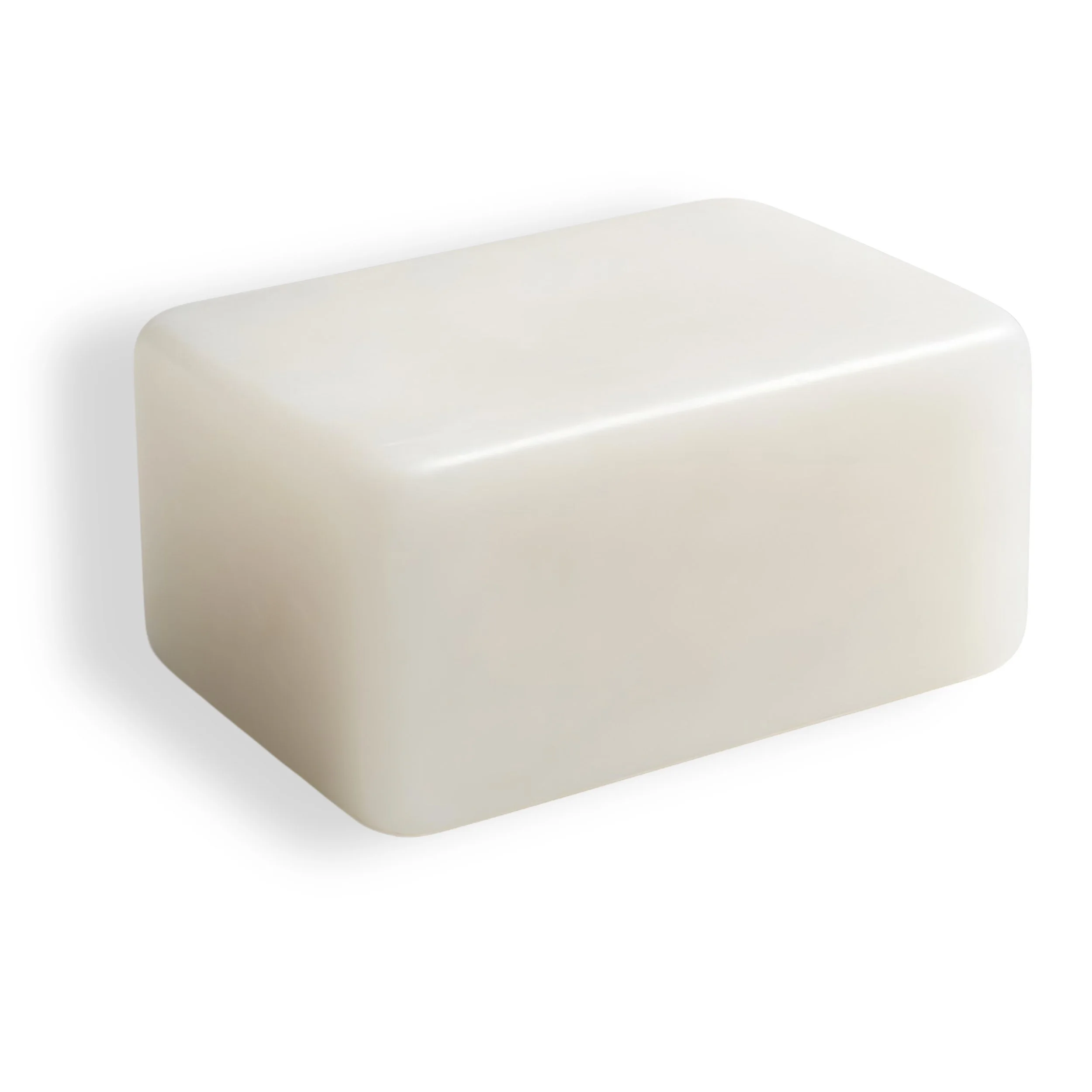
Calibrated Ballistic Soap Block
Supplied fully cast and ready for controlled penetration and fracture analysis.

Preserved Temporary Cavity
The retained cavity can be cut open, inspected, photographed and cast for further analysis.
Preserves Temporary Cavities
Retains the expanded cavity after impact so the internal damage pattern can be examined later.
Ready-to-Use Format
Supplied fully cast in protective packaging without the preparation required for natural gelatine.
Supports Wound Casting
The exposed cavity can be filled with casting material to create a measurable three-dimensional record.
Comparative Analysis
Useful for comparing projectile effects across different test distances, designs and controlled conditions.
Extendable Test Length
Multiple blocks can be placed back-to-back for tests requiring a longer penetration path.
Specialist Applications
Suitable for forensic, defence, research, education and technical product-development projects.
Using and analysing ballistic soap
Support the block correctly during testing and expose the retained cavity carefully after the test.
Prepare a stable support
Place the block on a single-use stand, dense foam or cardboard base rather than a fragile or brittle surface.
Position additional blocks
For longer test paths, place multiple blocks back-to-back and ensure their contacting faces are touching.
Conduct the test
Use the block only within a properly controlled test environment and follow all applicable range procedures.
Locate the wound path
After testing, identify the direction and extent of the retained cavity before beginning dissection.
Cut along the cavity
Carefully open the block in the direction of the wound path to reveal the preserved temporary cavity.
Record or cast the result
Photograph, measure or fill the cavity with casting compound for volume, weight and shape comparison.
Reusing ballistic soap
Ballistic soap can be remoulded after contaminated material and debris have been removed, although calibration may deteriorate after each remould.
Remove projectiles and debris
Cut away fragments, the wound track and any dirt or contamination from the used block.
Cut into smaller chunks
Divide the clean soap into small pieces to improve heat distribution and produce a more even melt.
Use a covered container
Place the chunks in a waterproof, heat-suitable container with a lid to minimise moisture loss.
Heat slowly to about 60°C
Warm the material gradually and stir occasionally until the soap is homogeneous and fully melted.
Replace lost water if needed
If necessary, add approximately 1% water by weight to compensate for moisture lost during heating.
Cast and cool overnight
Pour into a suitable mould and leave in a safe, cool location until fully solidified.
Storage, warnings and safe handling
Storage
- Keep the soap inside its waterproof, airtight bucket when not in use.
- Store in a cool, dry location away from extreme temperatures.
- Avoid prolonged exposure below 3°C, which may cause the product to sweat.
- Protect from dehydration and high ambient moisture during storage.
Safe handling
- Use caution when cutting open a tested block or removing embedded debris.
- Hot melted soap can cause burns; wear appropriate gloves and eye protection.
- Follow the appliance manufacturer's instructions when heating the material.
- This product is a test medium and is not intended to stop or safely contain a projectile.
Ballistic Soap SDS
Review the current Safety Data Sheet before storing, heating, remoulding or using ballistic soap in a laboratory, training or workplace environment.
Open SDSBallistic soap products
Browse the calibrated large ballistic soap block and other specialist testing media available from Defensible Ballistics.
View productBallistic soap support
How is ballistic soap different from ballistic gel?
Ballistic soap retains the temporary cavity after impact, while ballistic gel may close back around the wound path. Soap is therefore useful when the cavity must be examined or cast after testing.
Can the cavity be measured?
Yes. The block can be cut open for visual measurement, or the cavity can be filled with a suitable casting compound to create a three-dimensional record.
Can several blocks be used together?
Yes. For tests requiring a longer path, place the blocks back-to-back with their faces touching.
Can ballistic soap be reused?
It can be remoulded after projectiles, wound tracks and debris have been removed. Calibration may deteriorate after each remould.
How should ballistic soap be stored?
Keep it inside its airtight, waterproof packaging in a cool, dry location. Avoid prolonged temperatures below 3°C and protect it from moisture loss.
Where can I find safety information?
Open the Ballistic Soap SDS for composition, first-aid, handling, storage and disposal guidance.
Need help with a ballistic soap project?
Tell us about the intended analysis, required test length and whether you need standard blocks or a specialist soap simulant.