

Ballistic Sims
Life-size anatomical simulants combining calibrated soft-tissue media with optional skeletal, organ and blood analogues for specialist forensic, training and protective-equipment testing.
What is a Ballistic Sim?
Ballistic Sims are anatomically shaped testing models made from calibrated tissue-simulant materials. Heads, torsos, hands and other body forms can be produced to create a more realistic target geometry than a standard rectangular test block.
Each model can be configured around the intended application. Options may include ballistic gel or ballistic soap as the outer tissue medium, together with polyurethane bone structures, internal organs, simulated brain material and coloured blood packs.
This modular construction allows a project to focus on external damage, internal penetration, skeletal interaction, hydraulic effects or the performance of personal protective equipment. The result is a configurable analogue suitable for forensic analysis, defence research, technical training, medical-procedure development and product evaluation.
Where a standard configuration does not meet the project requirement, Defensible Ballistics can discuss custom materials, anatomy, internal structures and support arrangements.
From External Form to Internal Structure
Ballistic Sims can replicate both anatomical shape and internal resistance by combining calibrated soft-tissue media with optional bone and organ analogues.

Ballistic Sim Head
Anatomical head model with optional polyurethane skull, jaw, teeth, brain simulant and blood analogue.
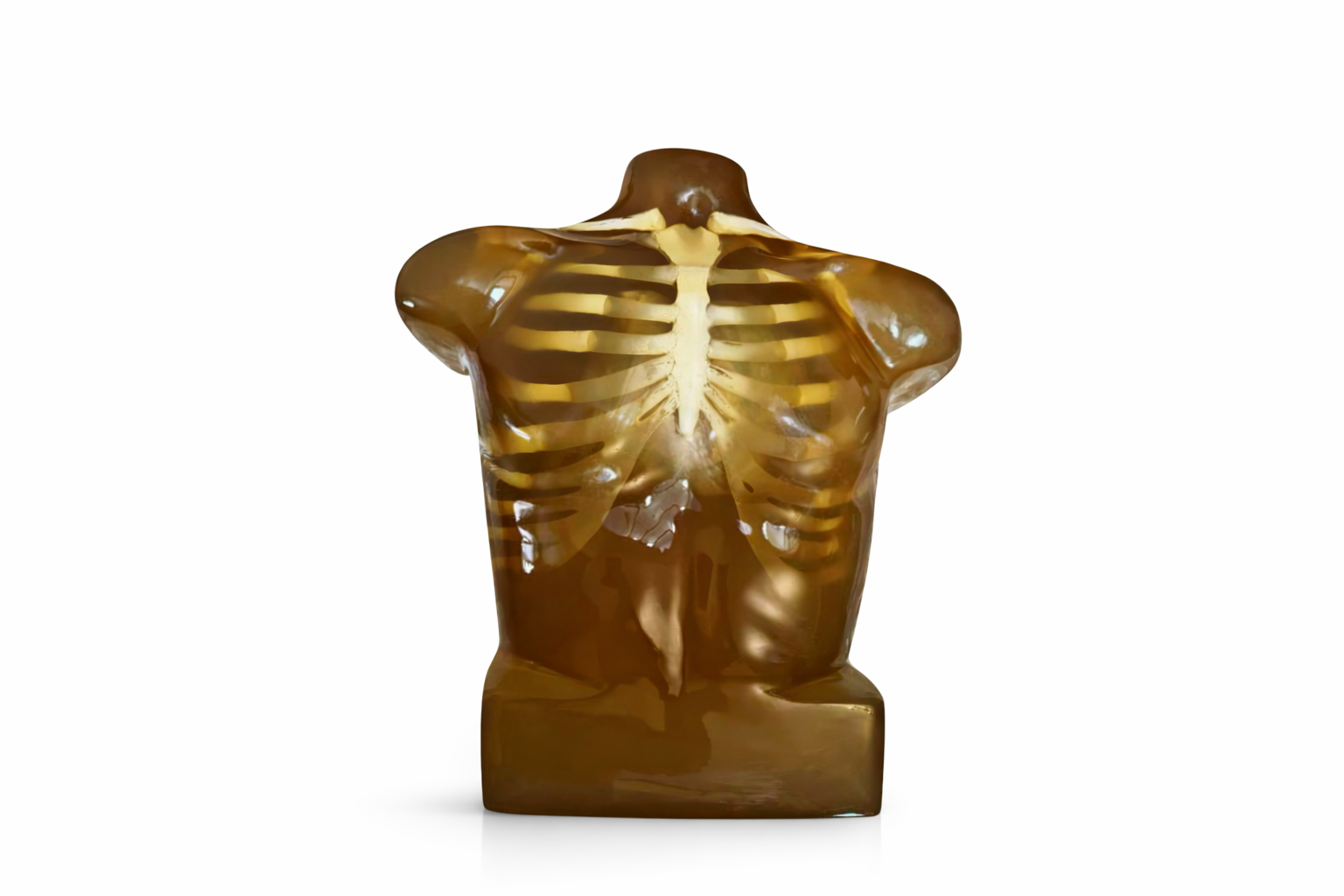
Ballistic Sim Torso
Life-size torso incorporating optional internal skeletal and organ structures for advanced testing.
Anatomical Geometry
Life-size shapes provide more realistic angles, contours and internal pathways than standard blocks.
Configurable Materials
Choose 20% NATO ballistic gel or ballistic soap according to the required test outcome.
Optional Bone Structures
Polyurethane skulls and skeletons add realistic internal resistance and post-impact structure.
Internal Organ Analogues
Optional lungs, heart, liver and brain simulants support hydraulic and wound-path evaluation.
Blood Simulation
Red or blue fluid packs can be incorporated where visible leakage or hydraulic response is required.
Custom Project Support
Dimensions, anatomy, internal materials and stands can be discussed for specialist requirements.
Ballistic Sim types
Select the anatomical form that best matches the intended test, training task or research objective.
Head
Produced in 20% NATO gel or ballistic soap, with options for skull, jaw, teeth, brain simulant and blood.
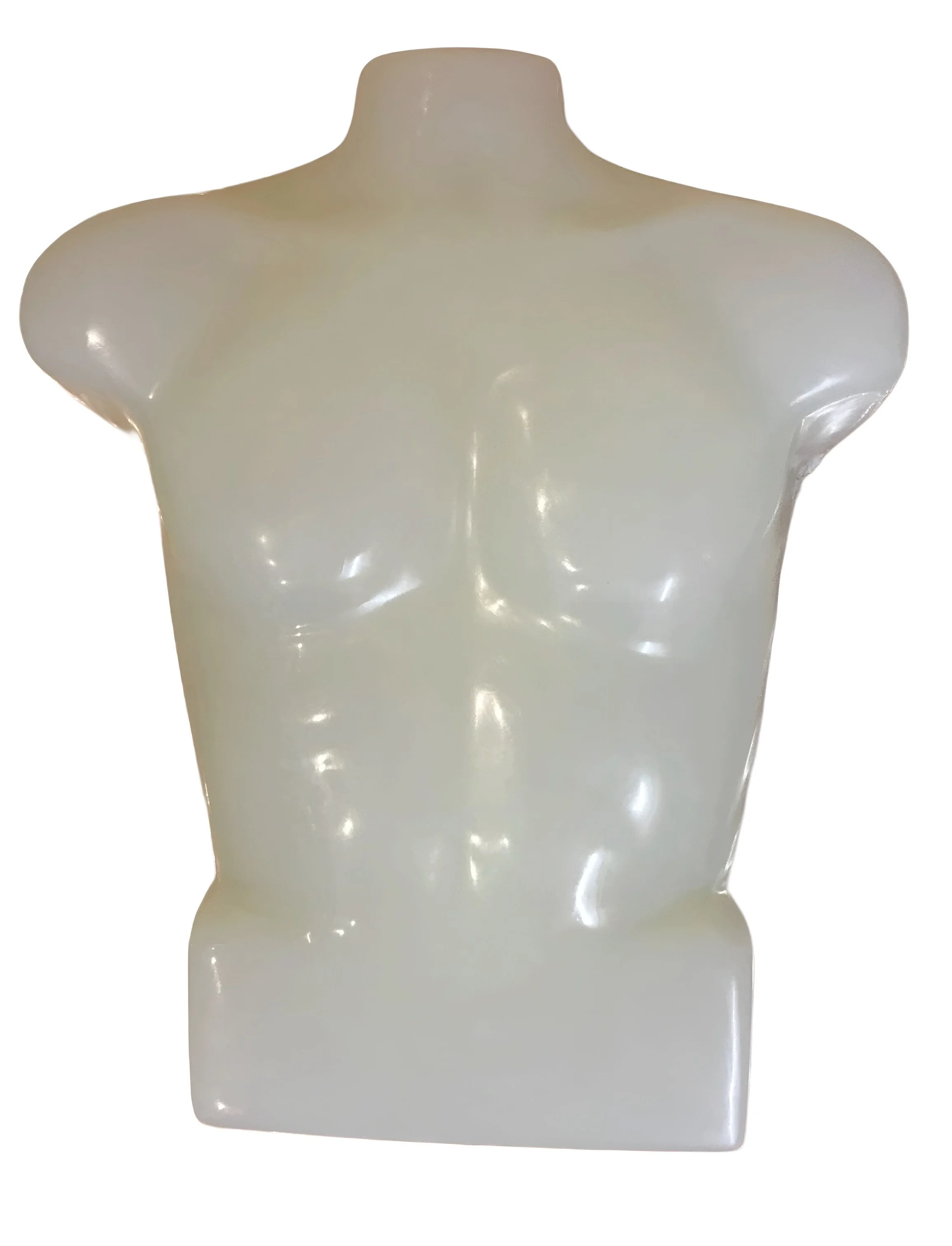
Torso
Available with external chest anatomy and optional skeletal, spinal, organ and blood structures.
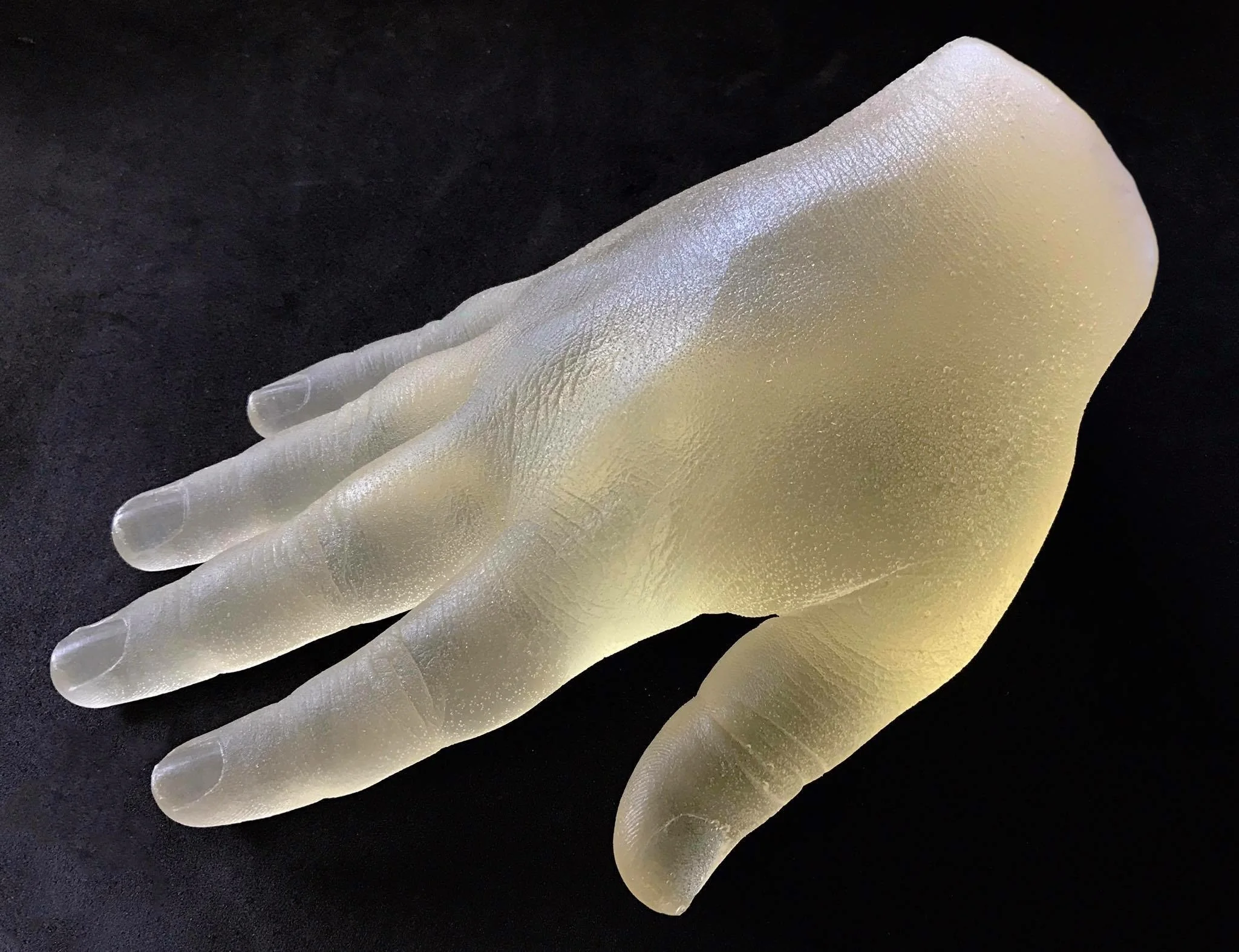
Hand
Detailed right-hand model in 20% NATO gel for medical, PPE and specialist product testing.
Materials, skeletons and organs
20% NATO ballistic gel
The standard gel option provides a dense tissue analogue capable of encapsulating skeletal and organ components. Natural technical gel can include Extender to improve usable cast life.
- Dense tissue-simulant formulation
- Suitable for embedding internal analogues
- Calibrated for controlled comparative testing
Ballistic soap
Ballistic soap preserves the temporary cavity after impact, making it useful when the cavity must remain open for measurement, cutting or casting.
- Retains the temporary cavity
- Supports energy-transfer comparison
- Longer cast shelf life than natural gel
Skeleton option
Polyurethane bone structures add anatomical resistance and help the torso retain its form after initial testing. The spine normally contains a supporting metal rod, which can be replaced with wood on request.
Organ and blood options
Optional 5% lungs, heart and liver can be positioned within the torso using separating films. Blood analogue can also be incorporated to create visible hydraulic effects.
Using your Ballistic Sim
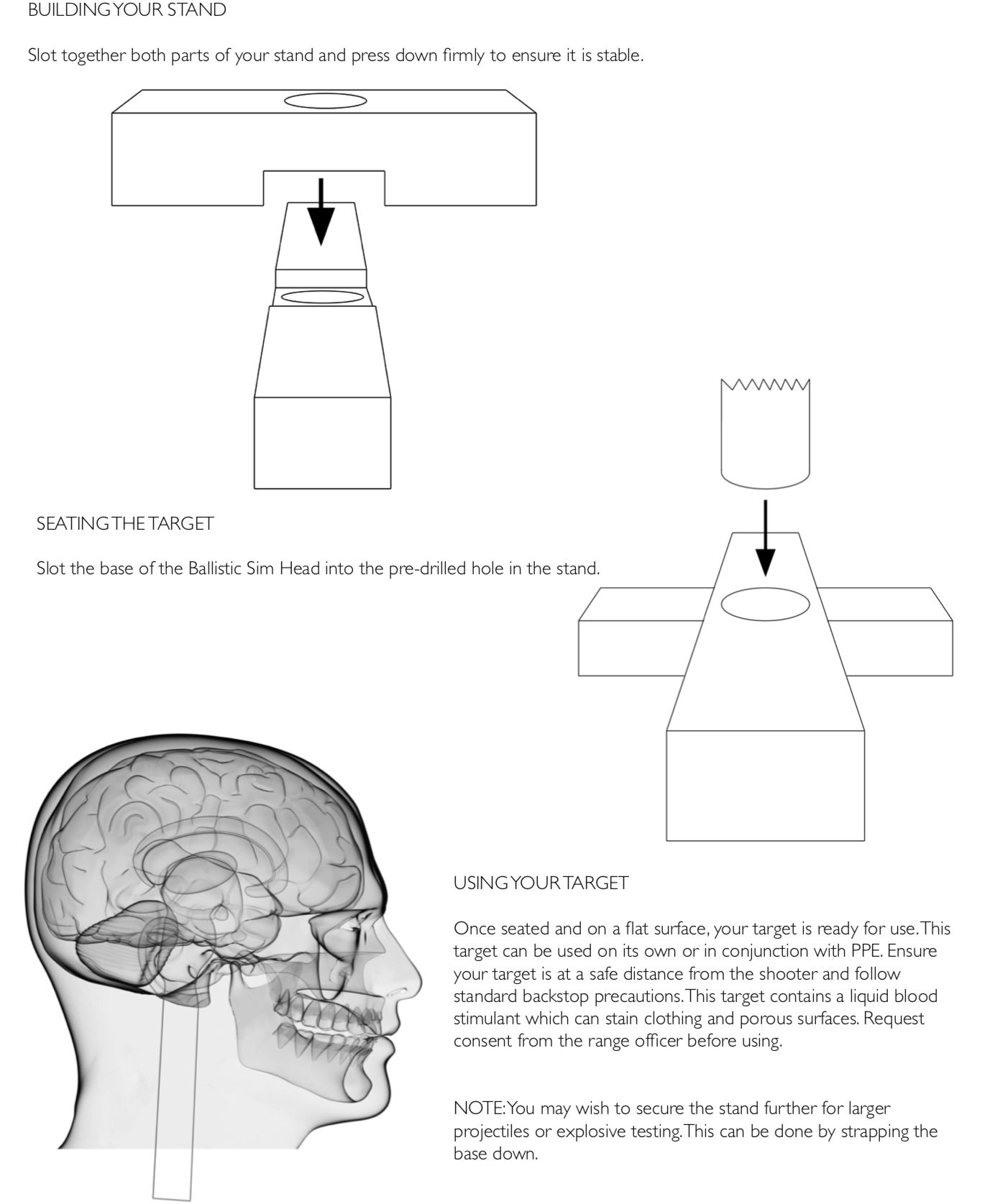
Support and restraint
Many sims are supplied with a stand designed to hold the model in its normal operating position. Assemble the stand firmly, position it on a flat surface and seat the sim correctly before testing.
- Check the stand is stable before placing the sim.
- Use additional tethers or straps where movement is likely.
- Keep the test area clear of valuable or porous surfaces.
- Follow the controlled test site's safety and backstop procedures.
Protecting your Ballistic Sim before use
Ballistic gel sims
- Keep in the original packaging until required.
- Store clean, cool and away from direct sunlight.
- Natural gel sims have a typical cast shelf life of approximately one week.
- Follow the supplied temperature and handling guidance.
Ballistic soap sims
- Keep sealed in the original protective packaging.
- Store in a cool, dry location away from extreme temperatures.
- Ballistic soap sims can have a cast shelf life of up to one year.
- Inspect the sim and support arrangement before use.
Ballistic Sim support
Which material should I choose?
Choose 20% NATO gel where a dense tissue analogue and embedded anatomy are required. Choose ballistic soap where retaining and measuring the temporary cavity is the priority.
Can a sim include bones?
Yes. Heads can include a polyurethane skull, jaw and teeth, while torsos can include a polyurethane skeleton and supported spinal structure.
Can organs and blood be added?
Yes. Optional organ analogues and coloured blood packs can be incorporated depending on the model and intended application.
Are custom models available?
Custom anatomy, materials, internal structures and dimensions can be discussed with the Defensible Ballistics team.
Do I need to tether the sim?
Additional restraint is recommended where impact may cause significant movement. Secure the stand or base according to the test environment.
How long can a sim be stored?
Natural ballistic gel sims typically have a cast life of around one week, while ballistic soap sims may last up to one year when stored correctly.
Need a Ballistic Sim configured for your project?
Tell us the model type, base material, internal anatomy and intended application. We can help identify a suitable standard configuration or discuss a custom build.